
Making the Decision: Should You Declare Bankruptcy?
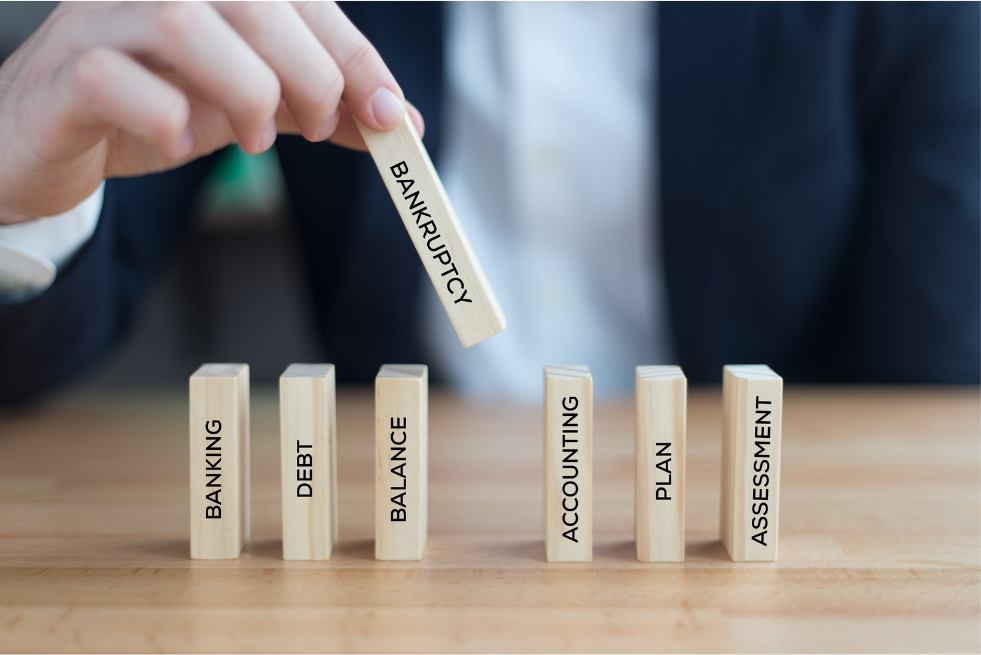
The weight of insurmountable debt can chain you down, leaving you searching for an escape hatch – bankruptcy might be that escape. But diving into the complexities and lasting impacts of such a choice demands a thorough understanding. Bankruptcy can offer a clean slate to Auburn & Opelika, Alabama residents while simultaneously leaving lasting marks on your financial reputation.
It requires careful assessment of your outstanding debts versus your income, and clarity on whether you can realistically pay off what you owe. Wisdom in this decision can either lead to financial rebirth or extend your monetary woes.
This article aims to unfurl the intricacies of bankruptcy: from the labyrinth of Chapter 7 and Chapter 13 filings to the potential lifelines that could keep you afloat without taking the plunge. We'll chart the course of the bankruptcy process and reflect on its effects on your fiscal future. Welcome to a comprehensive guide on navigating the daunting decision of whether to declare bankruptcy or not.
Understanding Bankruptcy
If you feel like you're drowning in bills you can't pay, you might be thinking, "Should I file for bankruptcy?" Bankruptcy is a serious step that involves giving up control of your finances to the courts. It has long-term costs and consequences, and it won't wipe out all your debts. But it can give you a fresh start if you can't repay your debts and can't find another way out.
What is bankruptcy?
Think of bankruptcy as hitting the reset button on your finances, but it's not a free pass. It's a legal process where folks who can't pay their bills can get a new start. The bankruptcy court helps you sort through your finances, and some of your debts might be wiped away or 'discharged.' There are different types, like when you can work out a payment plan or when your assets are sold off to pay back what you owe.
How does bankruptcy work?
When you decide to file for bankruptcy, you'll start by turning in a 'bankruptcy petition’ to the court. In this petition, you list everything you own, how much money you make, how much you owe, and to whom. It's a lot of paperwork and you have to be honest. Once you file, the court will put a temporary stop to most creditors trying to collect what you owe them.
Then, the court looks at your case. If you've got assets like a house or car, you might have to sell them. If you don't have much, you might go on a repayment plan. You have to meet with a 'bankruptcy trustee'—someone appointed by the court to handle your case. They decide if you have to sell stuff or set up a payment plan based on your income.
The role of a bankruptcy attorney
A bankruptcy attorney is a lawyer who knows all about bankruptcy law and can guide you through the bankruptcy process. They're really important because these laws can be tricky. The lawyer can help make sure you fill out the forms right and follow all the rules. They'll be with you at court meetings and tell you what to expect next. They can take a lot of stress out of a tough situation by dealing with the complex stuff for you.
Remember, deciding to file for bankruptcy isn't simple, and it's not for everyone. It's like a financial emergency room for folks who have no other way to fix their money problems.
Facing bankruptcy in the Auburn Opelika Area? Trust Ingram & Layson for expert legal guidance and support. Contact us today for a free consultation at ilc@ilclawoffice.com or call (334) 745-3333 and take the first step towards financial recovery.
Assessing Your Financial Situation
Before you think about shouting "mayday" and jumping into the bankruptcy boat, take a good, hard look at your finances. This means grabbing a magnifying glass and searching through all the corners where your money is hiding or being spent. It might feel like being a detective on the case of "Where Did All My Money Go?" But it's crucial to solving this mystery before considering filing for bankruptcy.
Determining Your Outstanding Debts
First up, let's figure out what and how much you owe. Pull together a list of everyone you owe money to. This could be credit card bills, medical bills, or maybe you borrowed some cash from family or friends. Now, there are different kids on the debt playground: secured debts and unsecured debts. Secured debts are like a kid who holds onto your bike until you give their chocolate back—that's like your mortgage or car loan. Unsecured debts are more like a kid who just hopes you'll share your lunch—they're things like credit card debt or medical bills.
Here’s a simple way to list your debts:
Evaluating Your Monthly Income and Expenses
Next, you've got to look at the money coming in versus money going out. It's like a seesaw; you want it to be balanced or even better, have more income than expenses. Write down what you earn every month from your job or any other spots—like if you're a rockstar at selling stuff online. Then, subtract every expense: rent, food, the occasional movie, everything.
Here’s what that might look like in a simple table:
Analyzing Your Ability to Repay Debts
Now, the magic question: Can you pay back the money you owe with the money you make? To answer this, subtract your expenses from your income. If there's money left over, that's great! It means you might be able to get by without filing for bankruptcy. But if the number is in the red, or there's barely a penny left, it's time for a serious talk about your next steps, which might include bankruptcy or maybe a debt management plan.
In any case, understanding the full picture of your financial health is like reading the map before you start a journey. It'll show you the way to go – whether that's towards bankruptcy or another path to getting those debts under control. And if you're still scratching your head, consider calling up a bankruptcy attorney in your town, maybe one in Opelika & Auburn, Alabama, who can help you make sense of the dollars and cents.
Need bankruptcy assistance in the Opelika Auburn Area? Ingram & Layson, the local experts, are here to help. Reach out for a free consultation by emailing ilc@ilclawoffice.com or calling (334) 745-3333. Let us be your advocates.
Types of Bankruptcy
When you're thinking about getting your financial ducks in a row and waving goodbye to your debts through bankruptcy, there are a couple of main paths you could take. Think of them as two different roads, each leading to a place where you can breathe easier without that heavy debt backpack.
Chapter 7 Bankruptcy
Chapter 7 bankruptcy is like a fresh start. It's for folks who don't have a big income and can't really pay back what they owe. Here's how it works: you show all the stuff you have and the money you make. If it's clear you're not rolling in dough, the bankruptcy court might say, "Let's erase some debts!" They might sell some of your things, but not stuff you really need like your clothes or your bed. This can get rid of a lot of your debts, like credit card or medical bills.
Chapter 13 Bankruptcy
Now, Chapter 13 bankruptcy is more like a makeover for your debts. It's for people who have some cash coming in and can pay back their debts, just not right away. Picture this: you work out a plan to pay back the money over a period of time, usually 3 to 5 years. You get to keep your stuff, like your house or car, and in exchange, you stick to a monthly payment plan.
Pros and Cons of Each Type
Both Chapter 7 and Chapter 13 have their upsides and downsides. Here's a quick look.
Chapter 7 bankruptcy could help you zip to a debt-free life quicker, but there's a catch. You might have to say goodbye to things like your jet ski or extra TV. Your credit score will also take a hit, making it tough to get new loans for a while.
On the flip side, Chapter 13 helps you keep your prized possessions, with a plan to pay debts in smaller bites. However, it's a bit of a slow burn and you'll be working on those payments for several years.
Remember, talking to a bankruptcy attorney is like asking for directions. They can help you choose the right road and provide a map, so you end up in a better spot with your finances. If you're in Opelika & Auburn, Alabama, look for a local bankruptcy lawyer to guide you through the twists and turns.
Considering Alternatives to Bankruptcy
Sometimes, when you feel like you're drowning in debt, filing for bankruptcy seems like the only life raft available. But hold on! There are other lifeboats out there that might be just as good, or even better, for staying afloat. Before making the leap to file for bankruptcy, let's explore some alternatives that might fix your financial woes without diving into the deep end of bankruptcy law.
Debt Management Plans
One of those lifeboats is called a "Debt Management Plan," or DMP for short. A DMP is like having a coach who helps you play the game of paying off your debts without losing your shirt. You work with a credit counseling agency, and they talk to your creditors (the people you owe money to). Then, they come up with a game plan that usually involves lower interest rates and waived fees. Here's what it looks like:
Negotiating with Creditors
You can also go DIY and negotiate directly with the folks you owe money to. Yes, you! It's like setting up a meeting on the playground to swap snacks; only you're trading terms to pay back your debt in a way that won't leave you broke. You might get them to agree to let you pay less than what you owe or to give you more time to pay it back. It's a bit like haggling at a yard sale, but for a much bigger deal—your financial peace of mind!
Loan Consolidation
Imagine if you could squish all your little debts into one big debt but with smaller teeth. That's loan consolidation. You take out one big loan to pay off all the smaller ones. Now, you have just one payment to make each month, and it's often at a lower interest rate, so you save some cash. Just watch out—you want to make sure this big loan doesn't come with tricky terms that bite you later.
Remember, while each of these can be a lifesaver, they also require you to be disciplined with spending and sticking to the plan. It's like sticking with a diet—you've got to be committed to see results. And just like with bankruptcy, it could be super helpful to chat with a pro, like a credit counselor or financial advisor, to pick the best path for you.
The Bankruptcy Process
If you're considering filing for bankruptcy, you're looking at a journey that has a few key steps. Think about it like a road trip to a new financial future. It's not just about reaching the destination; it's also about making sure you have everything you need for the trip, knowing the best route to take, and understanding the landmarks along the way.
Gathering necessary documents
Before you can hit the road, you need to pack! In the bankruptcy world, that means getting all your papers in order. You'll need a list of everything you own (like real estate and cars), how much money you make (your monthly income), and what you owe (all those pesky debts). It's crucial to have your tax returns, bank statements, and a list of living costs too. Think of it like packing your suitcase with all the essentials.
Choosing a bankruptcy attorney
This step is about finding a good travel buddy who knows the map inside out, which in this case is a bankruptcy attorney. A good attorney will guide you through rough patches and make sure you're taking the right turns. They know the laws in places like Opelika & Auburn, Alabama, and can help you understand the type of bankruptcy that's best for your situation. Their job is to be by your side, so you don't have to go it alone.
Filing bankruptcy petition
Now it's time to officially start the trip with your attorney by filing a bankruptcy petition. Think of this as your travel itinerary—it tells the court where you've been and where you're going financially. Your attorney will help you fill out all the required forms. Once that petition is filed, creditors (the people you owe money to) have to stop bugging you. No more scary calls or letters—phew!
Meeting with the bankruptcy trustee
After the paperwork is filed, you'll have a meeting with someone called a bankruptcy trustee. Imagine them like a tour guide, checking to make sure you didn't pack anything you shouldn't have. They’ll look over your documents and ask questions to understand your financial picture. It's their job to manage your bankruptcy case fairly.
Creating a repayment plan (Chapter 13)
If you're taking the Chapter 13 road, you’ll work on a repayment plan. This isn't just a hopeful promise to pay back what you can—it's a structured, legal promise to pay back some or all of your debts over a period of time (usually 3 to 5 years). Your bankruptcy attorney will help you map out a plan that fits your budget, which then needs to be approved by the court.
Discharge of debts
At the end of your bankruptcy journey, some debts might be wiped away or "discharged." It's like reaching your destination and dropping off all the luggage you no longer need. For Chapter 7, this happens pretty quickly after your assets are used to pay what they can. In Chapter 13, it's like a finish line you cross once you've stuck to your repayment plan. Not all debts can be cleared, like certain tax debts and student loans, but for many, it's the relief they've needed to start fresh.
When you’re thinking about bankruptcy, weigh all these steps carefully. It's a big decision that can change your life's path. Having the right bankruptcy attorney to guide you on your journey can make all the difference for a smoother ride to a brighter financial future.
Struggling with bankruptcy in the Auburn Opelika Area? Let Ingram & Layson provide the experienced support you need. Contact us for more information and a complimentary consultation at ilc@ilclawoffice.com or (334) 745-3333.
Effects of Bankruptcy
When you think about hitting the reset button on your finances by filing for bankruptcy, you should know there are some big changes that come with it. Bankruptcy can give you a clean slate, but it can also mean some tough trade-offs. Let's talk about what filing for bankruptcy might mean for you.
Potential loss of assets
Filing for bankruptcy might also mean you have to say goodbye to some of your stuff. Assets are the things you own, like a car, house, cash, or investments. When you file for Chapter 7 bankruptcy, some of these might be sold off to pay your debts. That's because those debts are often unsecured, like credit card debt or medical bills. But don't worry, not everything you own will be up for grabs. There's a list of things that are protected, and you'll get to keep them. If you go for Chapter 13 bankruptcy, you usually get to keep your assets, but you have to stick to a repayment plan.
Rebuilding credit after bankruptcy
But here's some good news: you can work to rebuild your credit after bankruptcy. Think of it as a financial do-over. You'll want to start slow; maybe get a secured credit card, where you put down some money as a security deposit. Use it a little each month, and always pay it off on time. Making a budget and sticking to it can also help. And, as the months go by and you show you're managing your money wisely, your credit score will start to rise. It's like planting a tree—it takes time to grow, but with patience and care, it'll get there.
Bankruptcy is a major decision with plenty of effects, but with the right plan and guidance, it's possible to navigate through the storm and come out on the other side ready for a new financial start.
For those in the Opelika Auburn Area needing bankruptcy help, Ingram & Layson offer the expertise you can rely on. Contact us today for a free consultation and take control of your financial future. E-mail ilc@ilclawoffice.com or call (334) 745-3333.
Special Considerations
When you’re thinking about whether to file for bankruptcy, it’s important to know that not all situations are the same. It’s a bit like when everyone at school needs different supplies. You don't all get the same stuff. Bankruptcy is like this too; it depends on what stuff you're dealing with. That's why you need to think about what makes your case special or different. Here are some things to keep in mind:
- Type of Debts: Some debts, like credit card debt and medical bills, can often be wiped out in bankruptcy. These are called unsecured debts because they're not tied to any specific item you own. But there are other debts, like most tax debts and child support, which you'll still have to pay even if you file for bankruptcy.
- Your Property: Depending on the type of bankruptcy you choose, you might have to sell some of your things. But remember, some of your stuff, like necessary clothing, is protected. This is different for everyone, so you need to figure out what you can and can't keep.
- Your Income: If you make a good amount of money every month, you might have to file for a type of bankruptcy that requires you to pay back a part of your debts over time. It's a kind:of like a payment plan.
- The Costs: Filing for bankruptcy isn’t free. There are fees for filing, and you might need a lawyer to help you, which costs money too. So, you have to think about whether you can afford these costs.
Every person's situation is unique, and these special considerations will affect how bankruptcy looks for you. It's kind of like choosing a path to walk down; you need to pick the one that makes the most sense for you.
Student loans and bankruptcy
Alright, let's chat about student loans. We all know they're a big deal for many people. If you're swamped with student loan debt, you might think that filing for bankruptcy would help you shake it off. But here's the tough part: student loans are not usually erased when you file for bankruptcy. It’s tough to qualify for that.
To get rid of student loans through bankruptcy, you've got to prove that paying back your loans would cause “undue hardship." That's a fancy way of saying it would be really, really hard for you to pay them and still have enough money for basic stuff like food and housing. And proving that is difficult. The court uses different tests to decide, and they ask things like:
- If you've tried hard to pay off the loans before.
- If you could live a basic life while paying the loans.
- Whether your money troubles will be around for a lot of the upcoming years.
So, student loans are a tough nut to crack when it comes to bankruptcy. But don’t lose all hope! In some rare cases, folks are able to show it's too hard to pay, and the court lets them off the hook. But for most people, student loans stick around even after bankruptcy. If student loans are your main issue, it might be worth looking into other options, like different repayment plans that match your wallet's weight.
In Conclusion, filing for Bankruptcy in Opelika, Alabama might be worth it:
Making the decision to file for bankruptcy is not one to be taken lightly. It requires careful consideration of your financial situation, the types of debts you have, and the potential consequences. While bankruptcy can provide relief from overwhelming debt, it is not a one-size-fits-all solution. It is important to understand the different types of bankruptcy and the eligibility criteria that apply.
Additionally, it's crucial to note that not all debts can be discharged through bankruptcy. In particular, student loans are often not forgiven unless you can prove "undue hardship." This makes it essential to explore alternative options, such as repayment plans, loan forgiveness programs, or negotiating with lenders, before resorting to bankruptcy.
Ultimately, the decision to declare bankruptcy should be based on a thorough evaluation of your financial circumstances, understanding the implications, and seeking professional advice. Consultation with a qualified bankruptcy attorney can help determine the best course of action for your specific situation.
Remember, bankruptcy is not the end of the road but a fresh start toward rebuilding your financial life. In the Auburn Opelika Area and considering bankruptcy? Ingram & Layson, your local experts, are ready to assist. Reach out for a free consultation and get the support you need at ilc@ilclawoffice.com or (334) 745-3333.